Computing machinery and intelligence (Computers and the mind)
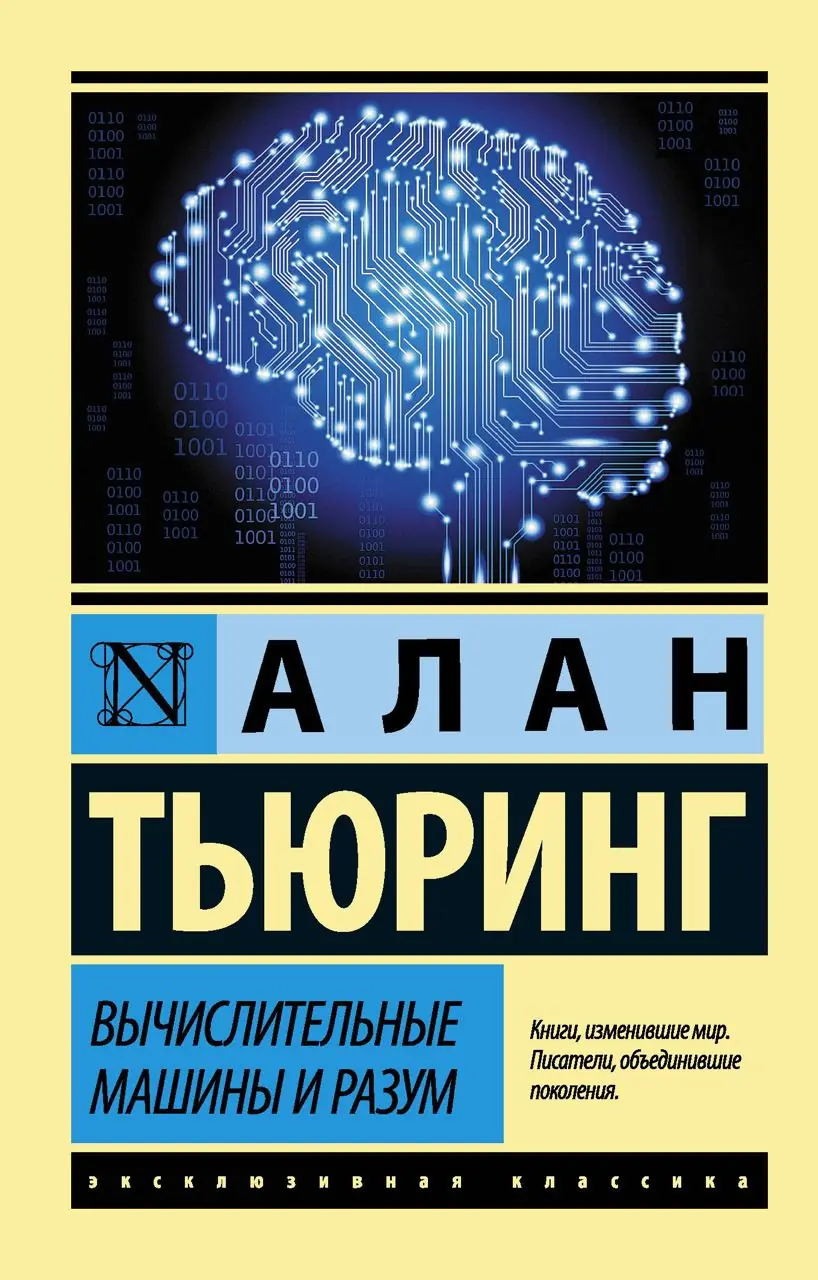
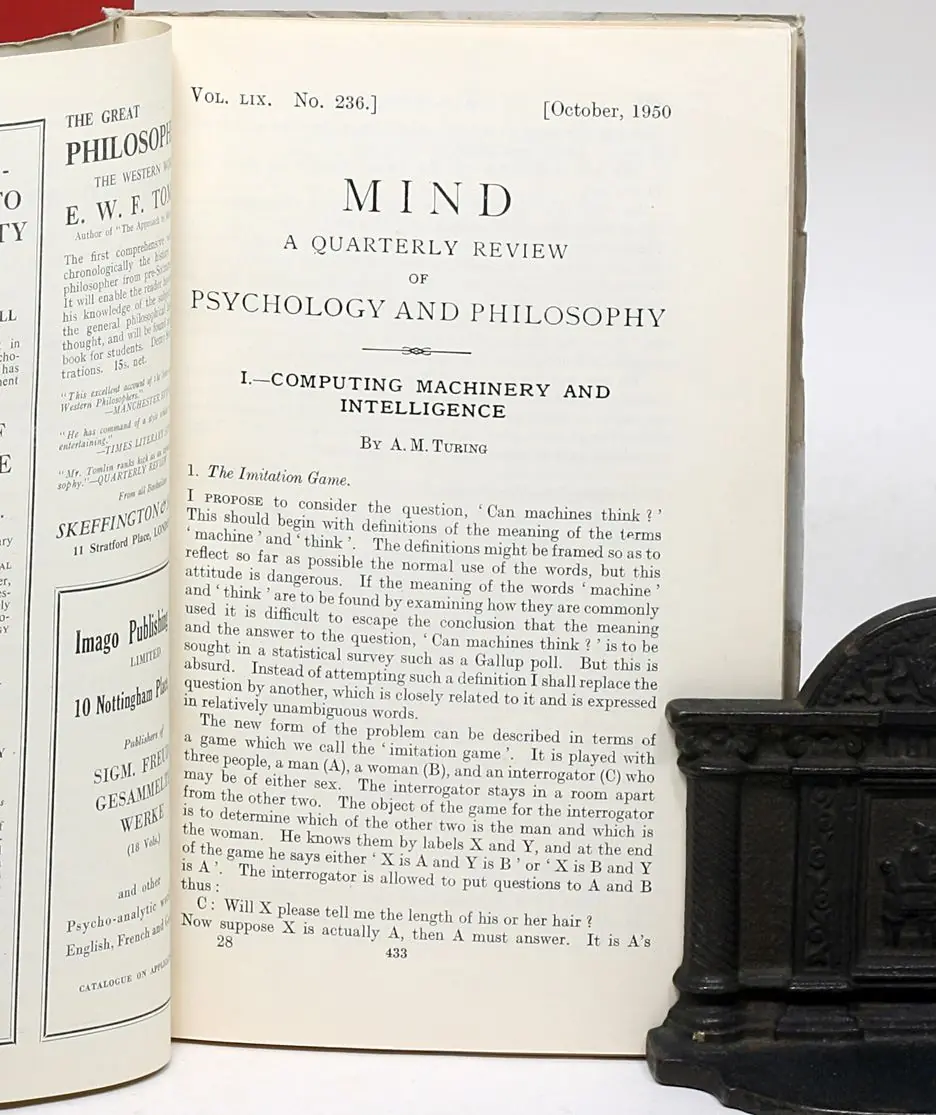
This is Alan Turing's famous article published in 1950 A year in Mind magazine. In this article, the author described his approach to finding the answer to the question “Can a machine think?” Now this approach is often called the Turing test, and the author himself called it an imitation game. Acquaintance with this approach is now more relevant than ever, given the new wave of hype around chatbots, which are able to conduct dialogues with users quite well. The essence of Alan’s approach is that the question of whether a machine can think is too general. In order to answer it, one must first define what a machine is, then what to think. Moreover, the definition of what we understand by machine thinking and human thinking may not coincide. Therefore, Turing proposes to take a step aside and replace the original question with one that can be relatively easily verified, namely, whether a machine can answer a man’s questions in a way that he considers human. If a machine can do that, it passes what is now called the Turing test. It is funny that the author struggles with possible counter-arguments regarding such a transition and further on the main issue, and fights successfully.
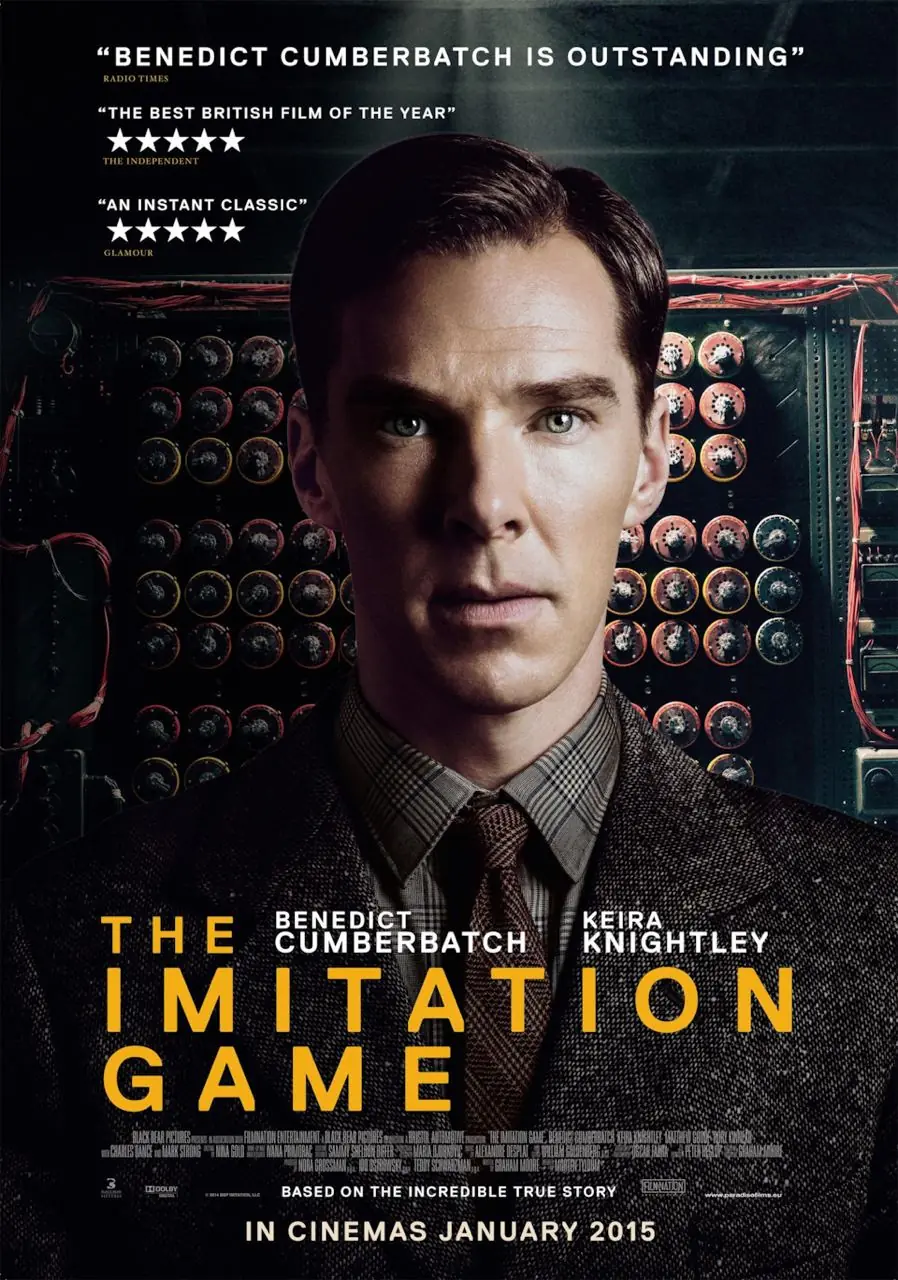
A little more details about the counterarguments can be read in my article on Medium. Plus, you can watch Alan Turing's Imitation Game. ("The Imitation Game")It chronicles Alan's contribution to breaking into German Enigma during World War II.
#ComputerScience #AI #PopularScience #ML #Software #Engineering