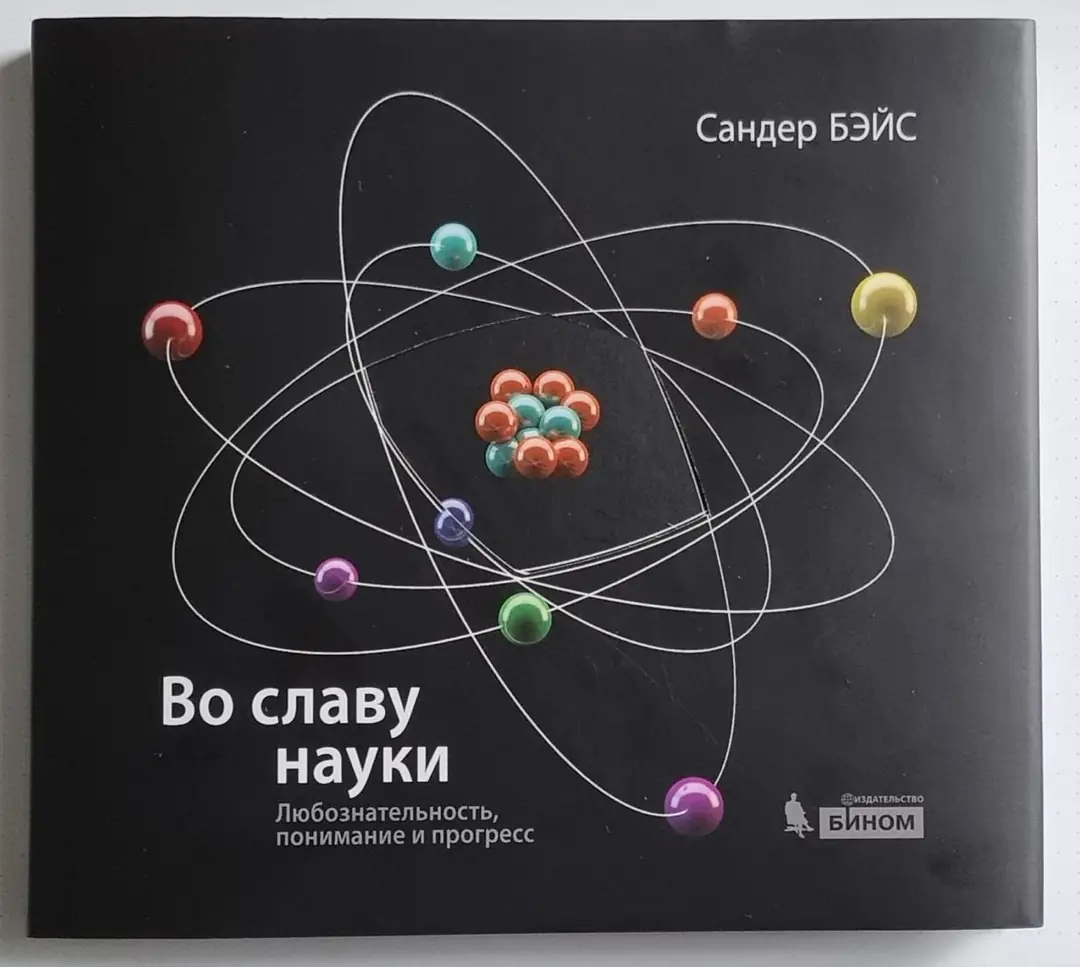
In Praise of Science. Curiosity, Understanding, and Progress (To the glory of science: curiosity, understanding, progress)
Today, fb reminded me of a book I read last year, In the Glory of Science: Curiosity, Understanding, Progress, by Dutch scientist Sander Bays, who teaches theoretical physics at the University of Amsterdam and is a visiting lecturer at the Institute of Complex Systems in Santa Fe. The book is just fire - it describes science as it is and what role it plays in our lives. The book consists of 4 parts:
Curiosity conquers prejudice. About the boundaries of perception and their expansion and ultimately about Occam's razor, which you can use to interpret your empirical experience to build models
The Double Helix of Science and Technology The spiral consists of
- a straight line of question-> observation> knowledge> invention Two feedback loops: from knowledge to question and from invention to observation Actually, the knowledge obtained by science pushes technology forward, this allows you to receive new observations that are processed by scientists and allow you to create new knowledge and raise new questions.
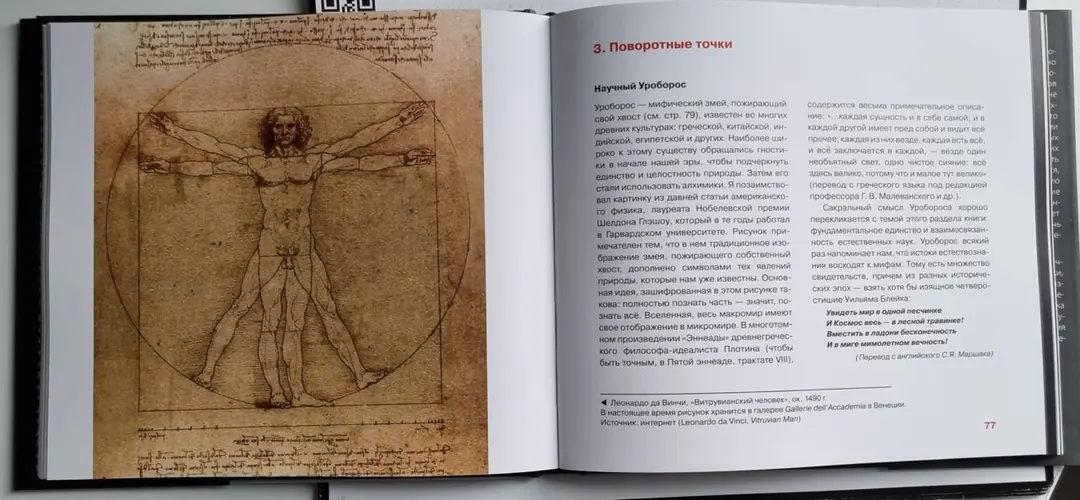
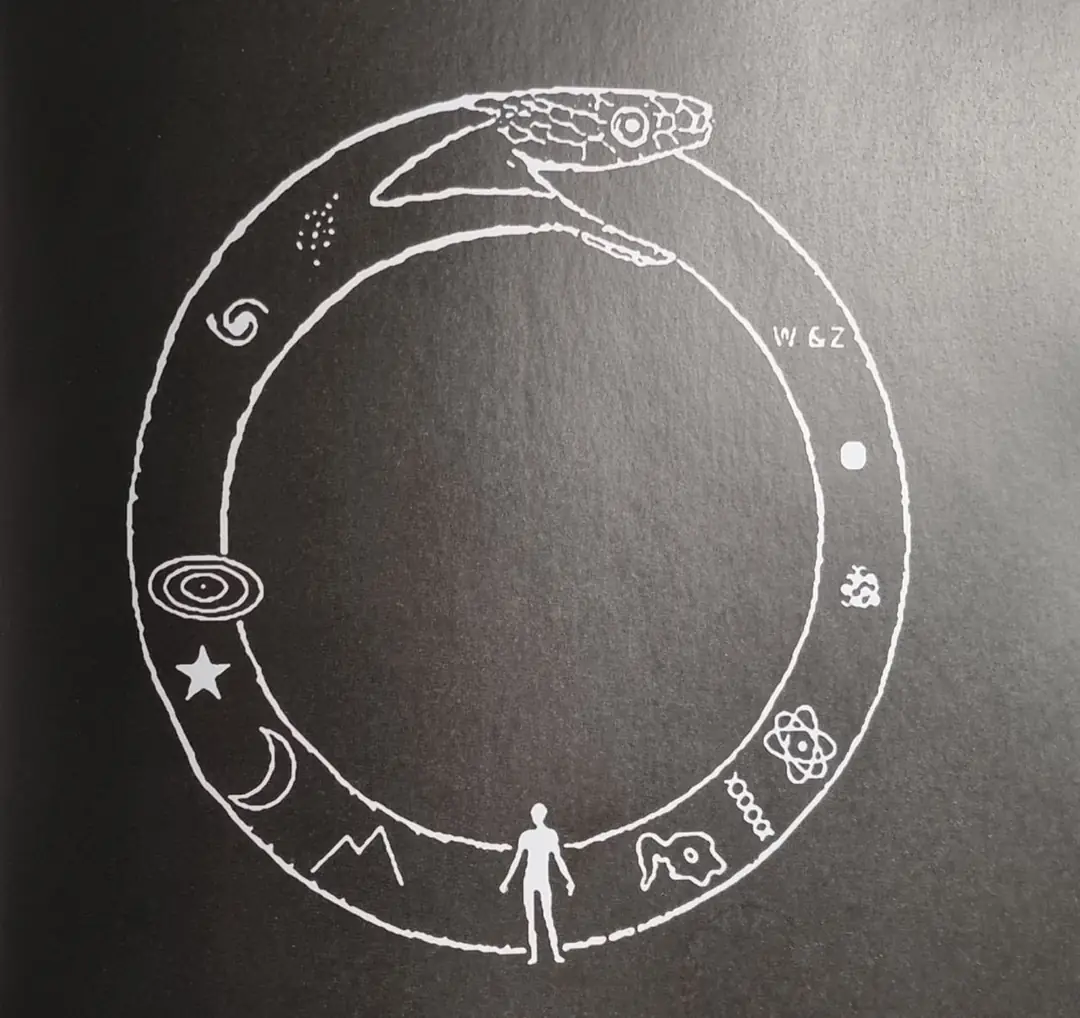
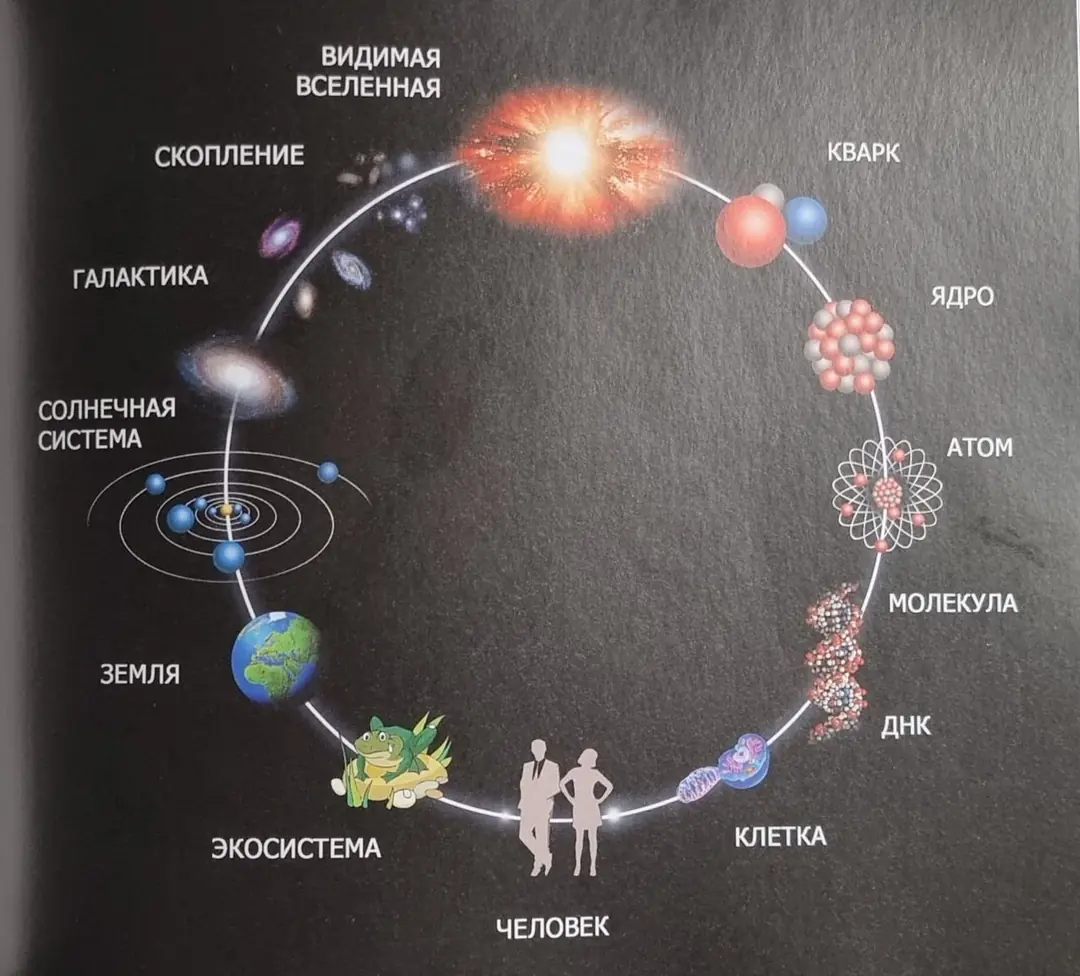
Turning points The story about the turning points when the scientific paradigm was changing, for example, Newton’s physics, Maxwell’s electromagnetism, general and special theory of relativity, quantum physics. In general, the author recalls the snake Uroboros and shows how the myrocosm is connected with the macrocosm and with the humanoid.
The search for truth This part is devoted to the scientific method. It recalls the works of the philosopher of science Karl Popper and the fundamental requirement that a hypothesis be falsifiable so that it can be recognized as scientific. Also on the pages appears Thomas Kuhn with his ideas from the book "Structure of scientific revolutions". By the way, the word revolution has a negative connotation for Sander Base, which is why the third part of the book is entitled “Turning Points”, not scientific revolutions:)
The book ends with an epilogue, On the Modesty of a Scientist, and specifically a quote by Richard Feynman from his last interview, which seems to me to be the perfect conclusion to a beautiful book: “As you can see, I may well live, a conciliator, with a sense of doubt, with uncertainty, with ignorance. To me, living without knowing is much more interesting than having answers that may seem wrong. I have approximate answers, probable ideas, judgments of varying degrees of certainty about different things, but I am not absolutely sure of anything. There are many things about which I know nothing, such as whether it makes sense to ask why we even exist. <... > I don't have to know the answer. I am not at all concerned about the state of non-knowledge and the fact that we are only grains of sand in a mysterious universe with no purpose. As far as I can tell, that is the case. But it doesn't scare me at all.
#PopularScience #Physics