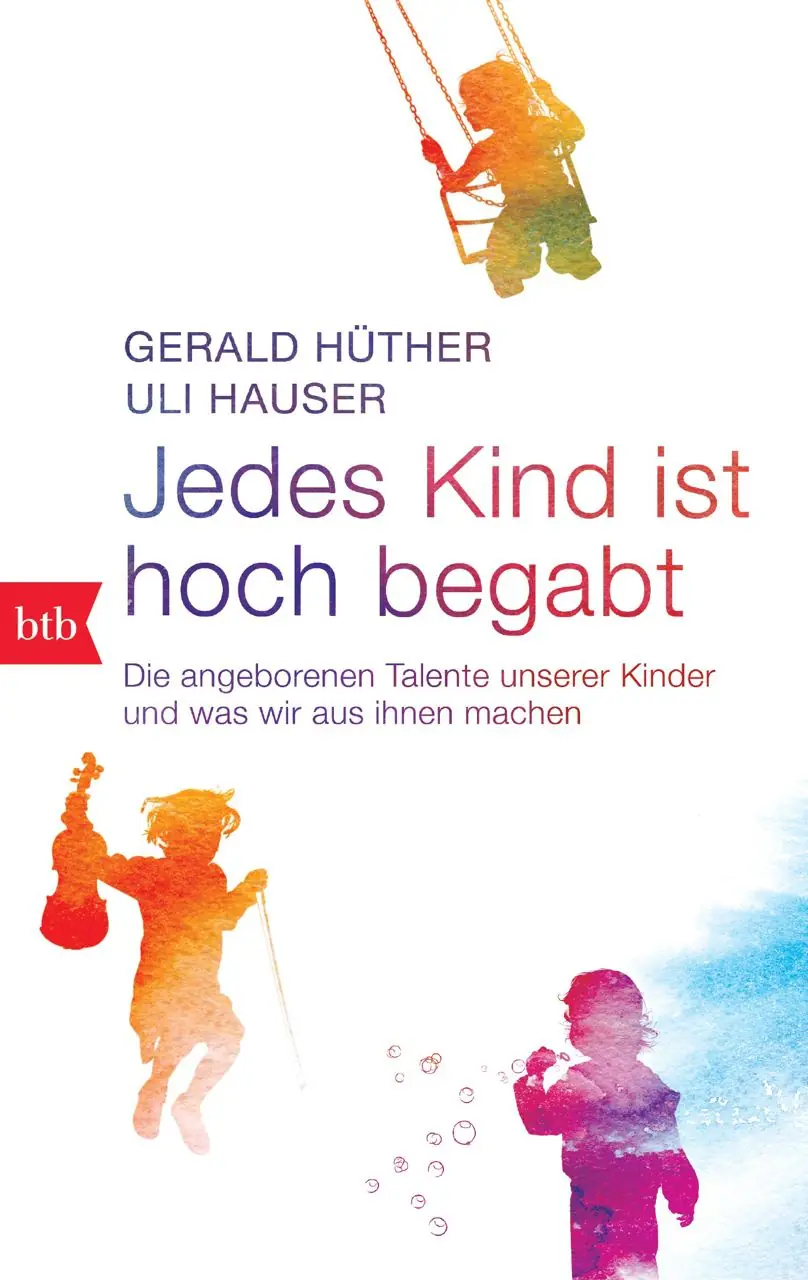
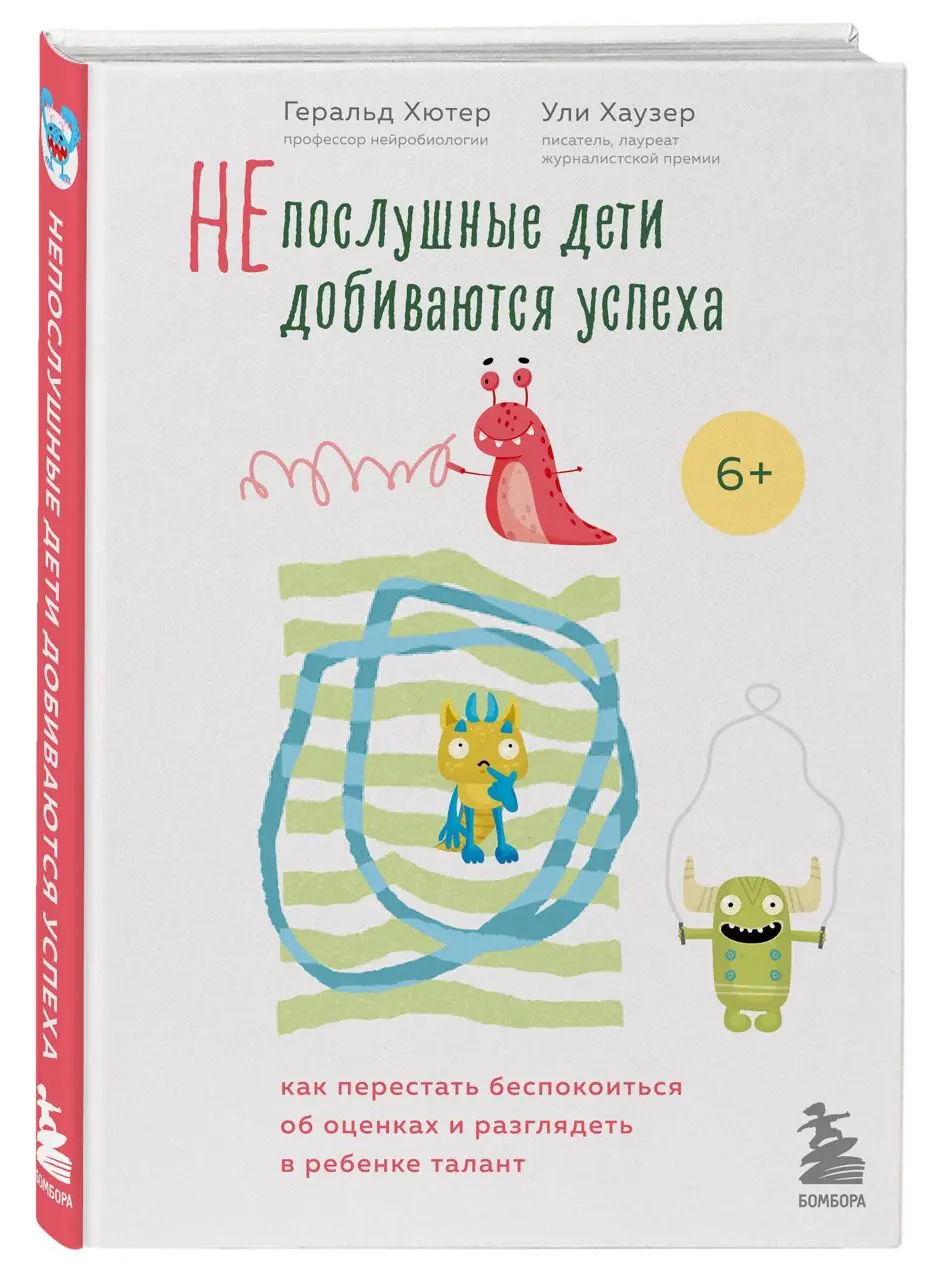
Disobedient children succeed (Jedes Kind ist hoch begabt)
An interesting book for parents without specific prescriptions, but with interesting reflections and analysis of situations that will allow you to understand how Stop pressing with the child and create stress Help your child reach his or her potential, even if he or she is not an accepted talent:) Maintaining a natural desire for knowledge When I had an older son in a distant place. 2006 I didn’t know much about education and parenting, and it would be helpful to read a book like this. But better late than never, especially since I have two younger sons. Plus, these approaches help to be a leader at work, not just a manager.)
Going back to the book itself, it was published in 2012 during the year in Germany and consisted of 4 parts 14 heads
Part part 1. What talents our children are born with - here the authors 2 thesis: Talents come in different areas, not only those that are now relevant and popular, but also in less popular areas. The manifestation of talent is influenced not only by genes, but also by environmental factors. From this, the authors propose to deduce the thesis that every child is very talented, we only need to be more attentive to the talents of children. Further, the authors in separate chapters of the first part describe these talents.
- Love and affection
- The joy of first discovery
- Creativity and Creativity
- Trust and confidence
- Persistence and willfulness
- Awareness and empathy
Part part 2. How children can develop their talents Here, the authors talk about the concept of neuroplasticity or, to put it simply, about the possibility of changes in the brain under the influence of experience. This directly affects the education of children, the emergence and manifestation of their talents. I recommend reading more in the book. Brain plasticity (The Brain That Changes Itself). 7. Emergence of talent 8. Manifestation of talents - here the authors talk about training and upbringing and note that "reading fairy tales, telling fictional stories - this is the highest form of education."
Part part 3. How we deal with children's talents In order for children to become strong personalities and develop their innate talents, they must feel accepted. And this often contradicts the approach of adults who have their own opinion about the development of children and try to direct them in the right direction. 9. If love is betrayed 10. If the joy of the first discovery is poisonous 11. If the desire to create is hindered 12. If trust is abused 13. If the willfulness is trying to break 14. If compassion is suppressed
Part part 4. What Our Children Really Need Here, the main thesis on which the authors stand is: “You have great potential, and we like you the way you are.” This is how an adult should support a child.
This is the end of the book, but the last one. 15 The authors give a short teaser of the book “Do not growl at the child”, which continues the theme of raising children.
P.S. I love reading books with general principles and explanations of how it works. And that's exactly what this book is -- I think it even benefits from the fact that there's no clear prescription here:)
#ForParents #SelfDevelopment #Leadership