From orgasm to immortality. Drag designer notes
This book about the creation of drugs was written by former Soviet scientist Grigory Nikiforovich in a storytelling format that captures from the first pages. 0) 600 millions - the so-called introduction and it is dedicated to Viagra, which according to the plan was supposed to help with chest pain, and began to bring pleasure (By the way, in 600 Millions of authors appreciated their appliances)
- Know yourself. A chapter on biology, genetics and the transition from molecule to organism. You can read more about this in the book “The Most Important Molecule” that I have written. mentioned earlier
- The cell inside Here the author talks about the biochemistry of the cell and about the design of drugs that can affect it. In fact, the impact is through bioregulators that drag designers and seek to develop in their labs. But you can look for these substances at random, or you can use the theory. And here, for the first time, a theoretical conformational analysis is mentioned, which further permeates the whole book.
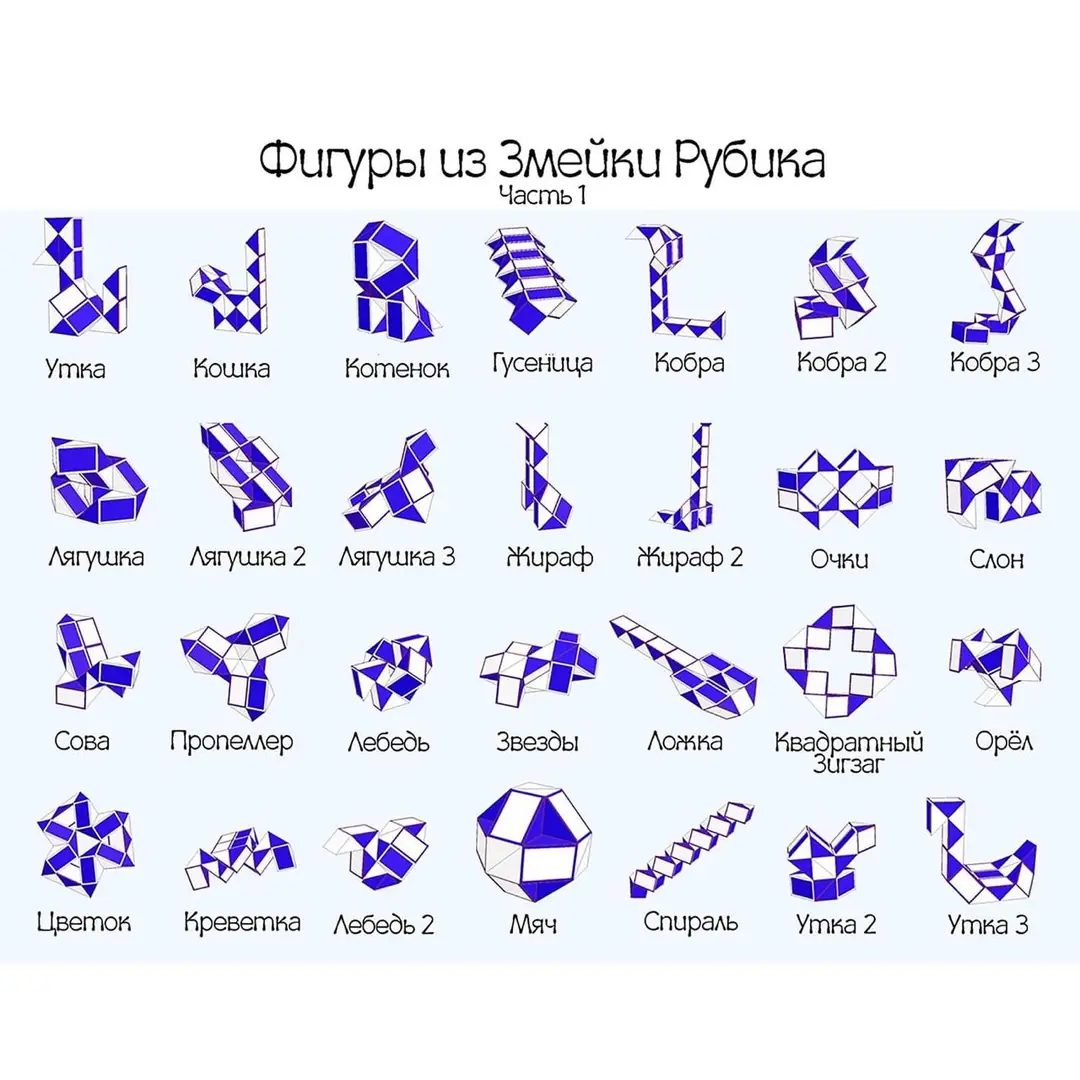
- Peptides in different dimensions - here tells about the relationship of amino acids, peptides and proteins. Peptides and proteins are composed of amino acids, but peptides are short chains and proteins are long. And peptides can often act as bioregulators. But the properties of these peptides and proteins depend not only on the sequence itself, but on their configuration in space, which can change under the influence of external conditions. (From boiled to steep eggs, no one will hatch.). This configuration of the peptide in space is called conformation. And the peptide takes on a form that's energy-friendly. (low-energy). If there are several such forms, then this peptide assumes these forms with a certain probability. Here the author remembers the Rubik snake
- How Not to Get a Nobel Prize - here the author begins with how Max Perutz and John Cedrewe established the spatial structure of myoglobilin and hemoglobin with the help of X-ray structural analysis, but this experimental method was not suitable for peptides and came to the aid of the theory in the form of conformational analysis. The author was one of the founders of the theory and was engaged in this in the sixties in the Belarusian SSR, where they managed to calculate the configuration of Bradykinin. But this analysis required computing power to sort out all configuration options and it was more successful to do it abroad, for which reason it was not possible to do it. 2013 A trio of researchers won the Nobel Prize.
- Turning a peptide into a medicine It is this chapter that tells about the waves of drag design that were associated with the development of molecular biology and scientists’ knowledge about proteins, peptides, as well as the availability of new experimental methods. The author shares here really interesting stories that help to understand how drug creation works.
- Couple halves - here the author tells more deeply the concept of the key and the lock, where the key is the peptide, and the lock is the receptor in the form of a protein, with which it connects and a visible effect occurs. The author tells how this happens and what changes in the cell after such a clutch.
- From idea to cure A story about what it would look like to create a startup to create drugs. If you shorten the history, then a success can be considered the sale of a potential formula to a large pharmacy, since it is almost impossible to pull all financial expenses independently. 😍 Sixteen percent of immortality - the author, as promised in the title of the book, ends with a consideration of immortality, or rather, drugs that affect the work of telomerases, which are considered to limit the number of cell divisions, since with each cell division, telomeric areas are shortened. As a result, such a drug fights this shortening and allows cells to live longer ... which can easily lead to cancer, whose cells can also divide uncontrollably for a long time.
#PopularScience #Biology